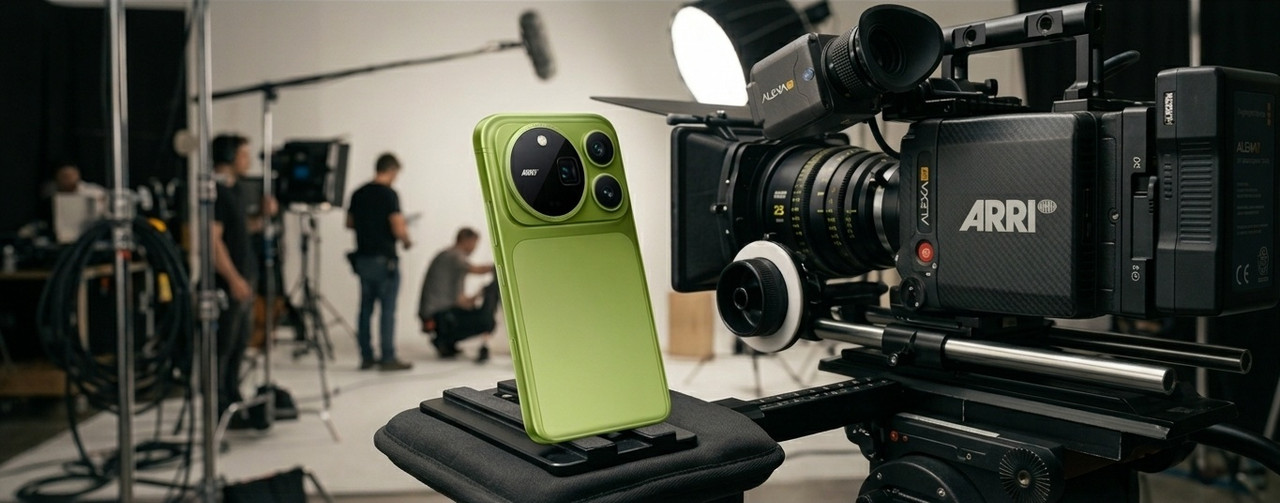
As someone who splits time between debating anamorphic squeeze ratios and stress-testing mobile silicon, I’ve long kept a hyper-focused eye on the evolution of pocket cinema. My tracking started back in the Symbian era with the legendary Nokia N8—a device that shocked the industry when Hooman Khalili strapped a 35mm lens adapter to its 1/1.83-inch 12MP sensor and Carl Zeiss glass to shoot Olive (2011), driving the first mobile feature to a theatrical cinema release at Santa Monica's Nuart Theatre. I watched South African director Aryan Kaganof pioneer raw feature footage on a Sony Ericsson W900i in 2008 with SMS Sugar Man, saw Park Chan-wook take the Golden Bear at Berlin with an iPhone 4 for Night Fishing, and tracked Sean Baker as he democratized the paradigm by shooting Tangerine (2015) on three off-the-shelf iPhone 5s handsets paired with Moondog Labs anamorphic adapters and FiLMiC Pro.
I don't dismiss mobile cinema because I ignore its history; I dismiss what it became over the last decade. Somewhere between Tangerine and the modern flagship era, mobile manufacturers abandoned genuine hardware innovation in favor of post-processed consumer shortcuts. "Cinematic mode" on most recent handsets amounted to little more than software-generated depth maps that clipped hair and ate actors' ears, paired with hyper-sharpened 8-bit H.264 files that disintegrated the moment you pushed a color wheel in DaVinci Resolve. The smartphone regressed from a boundary-pushing indie tool into an over-processed point-and-shoot—an acceptable director's viewfinder or an emergency C-camera for tight vehicle interiors, but miles away from serving as a dependable, main-unit production asset.
The Honor Magic9 Pro Max forces a complete reassessment of that dynamic. By stripping away consumer gimmicks, partnering directly with ARRI on color architecture, and packing enterprise-grade silicon into the chassis, Honor hasn't just iterated on a flagship handset—they’ve engineered a handheld cinema rig natively disguised as a mobile device.
1. Color Science Architecture: Native ARRI LogC3 in Your Pocket
To understand why this handset matters to working directors and cinematographers, you have to bypass sensor size for a moment and look at the underlying math: gamma curves and color gamuts.
Most smartphones record in compressed Rec. 709 or consumer-grade HLG HDR. The contrast curve is baked directly into the file at capture. When you attempt to grade that footage, you hit an immovable physical wall. Highlights clip instantly to dead white, shadows collapse into digital noise, and skin tones shift unpredictably across hue spectrums.
The Magic9 Pro Max bypasses consumer tone-mapping entirely, capturing native 10-bit video using the ARRI LogC3 gamma curve and ARRI Wide Gamut 3 space.
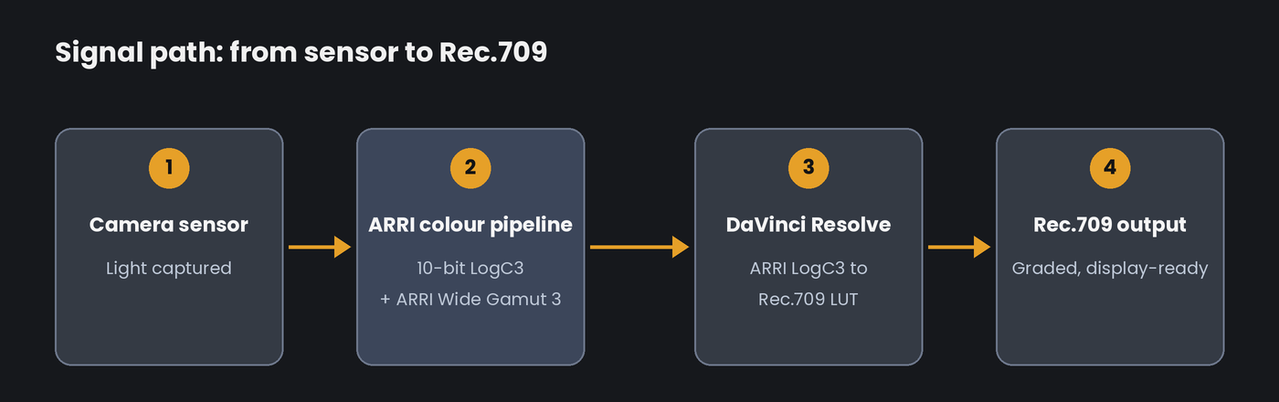
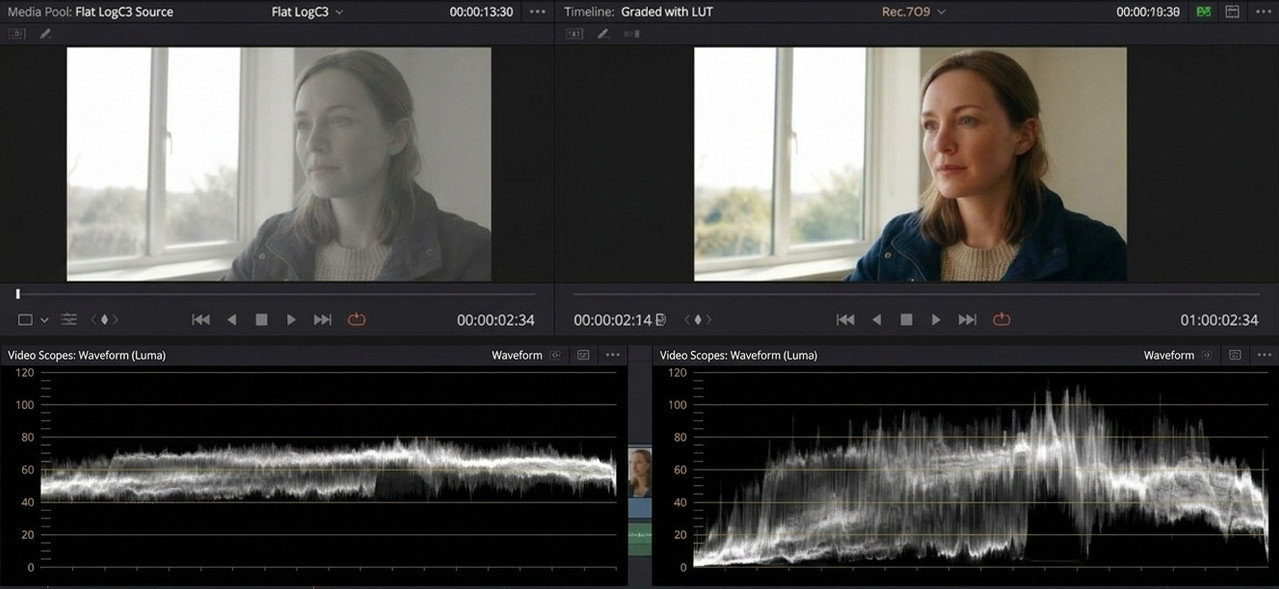
When you drag these raw LogC3 clips into your NLE or DaVinci Resolve, you do not need custom mobile color transforms or complex conversion hacks. You apply the industry-standard ARRI ALEXA LogC3 to Rec. 709 monitoring LUT, and the image immediately locks in with the signature organic highlight roll-off and smooth tonal transitions expected from high-end digital cinema cameras.
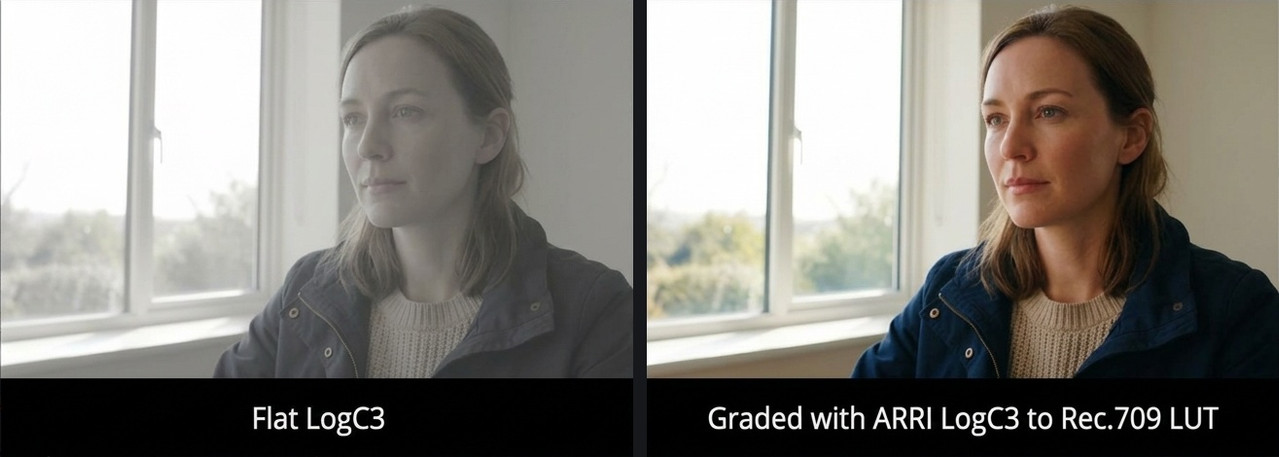
Honor claims up to 14 stops of dynamic range. While small mobile sensors naturally face physical aperture limits compared to a Super35 or Large Format sensor block, the dedicated 6nm H1 imaging coprocessor processes raw signal data prior to compression. Shadow recovery remains exceptionally clean, yielding filmic grain texture rather than the ugly, blotchy digital noise reduction typical of consumer mobile video.
2. Optical Array & Sensor Architecture: The Dual-200MP System
A persistent point of friction with multi-camera smartphones is sensor disparity. Manufacturers traditionally install one high-end primary sensor, then pad the spec sheet with severely downgraded ultrawide and telephoto modules. Switching focal lengths mid-scene alters your optical characteristics, noise profiles, and color fidelity, rendering the secondary lenses useless for professional matching.
Honor eliminated this compromise by matching optical horsepower across the primary focal lengths:
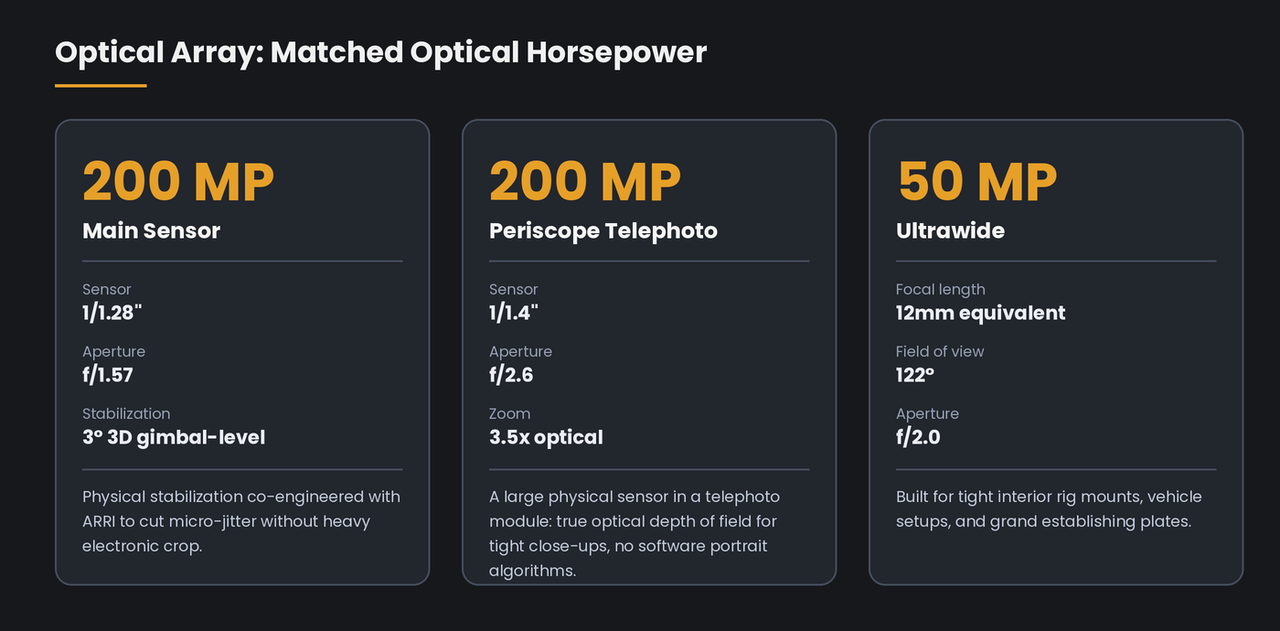

Operating dual 200-megapixel sensors across both the wide and telephoto modules grants a critical post-production advantage: high-bitrate 4K capture backed by massive spatial resolution. Directors can crop, reframe, adjust horizon lines, or perform sub-pixel tracking in post without degrading the final master deliverable below native 4K.

3. Production Interface: Field-Monitor Integration
Nothing destroys production momentum like digging through nested consumer menus to change a frame rate or white balance value. The camera software on the Magic9 Pro Max mirrors a professional ARRI Camera Control Monitor (CCM-1) rather than a consumer camera application.
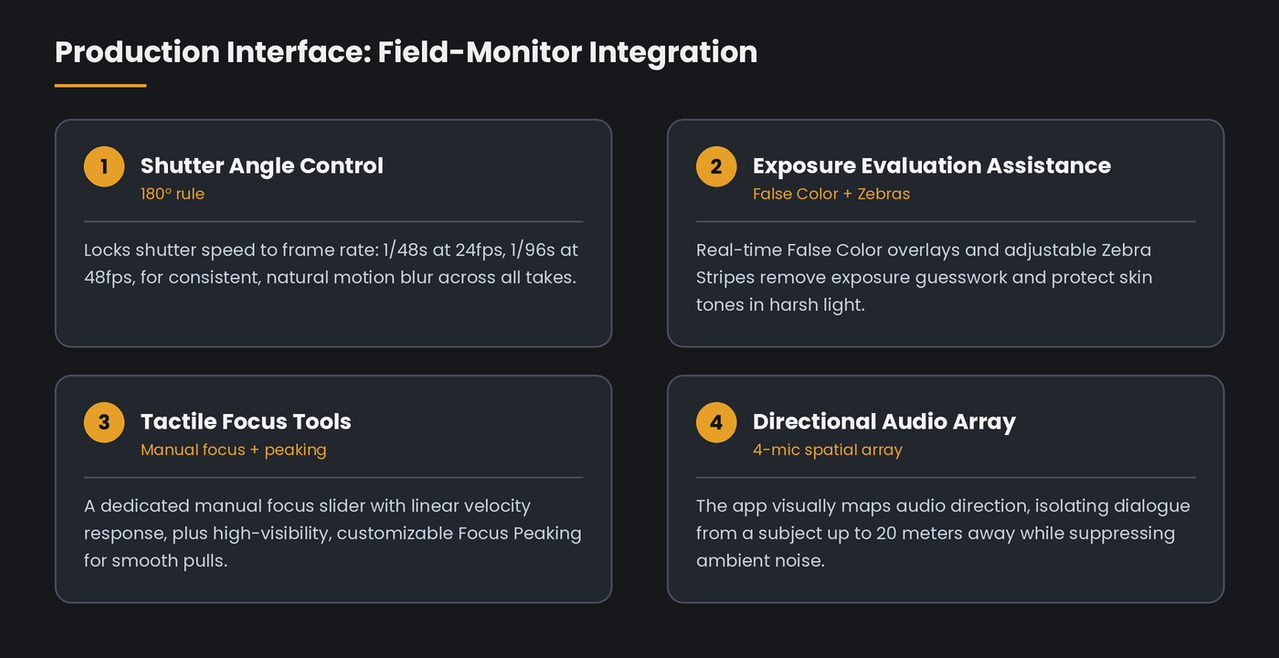
The software replaces automatic dials with field-tested tools built specifically for directors and camera operators:

4. Thermal Management & On-Set Power
Processing 10-bit ARRI Log pipelines at 4K resolution while pushing real-time false color overlays generates massive thermal and power demands. On typical consumer hardware, thermal throttling drops frame rates or shuts down recording within fifteen minutes.
Honor addressed this by pairing a 2nm Snapdragon 8 Elite Extreme Gen 6 processor with an expansive vapor-chamber cooling structure and an 8,800 mAh Silicon-Carbon (Qinghai Lake) battery packed into an 8.6mm profile.
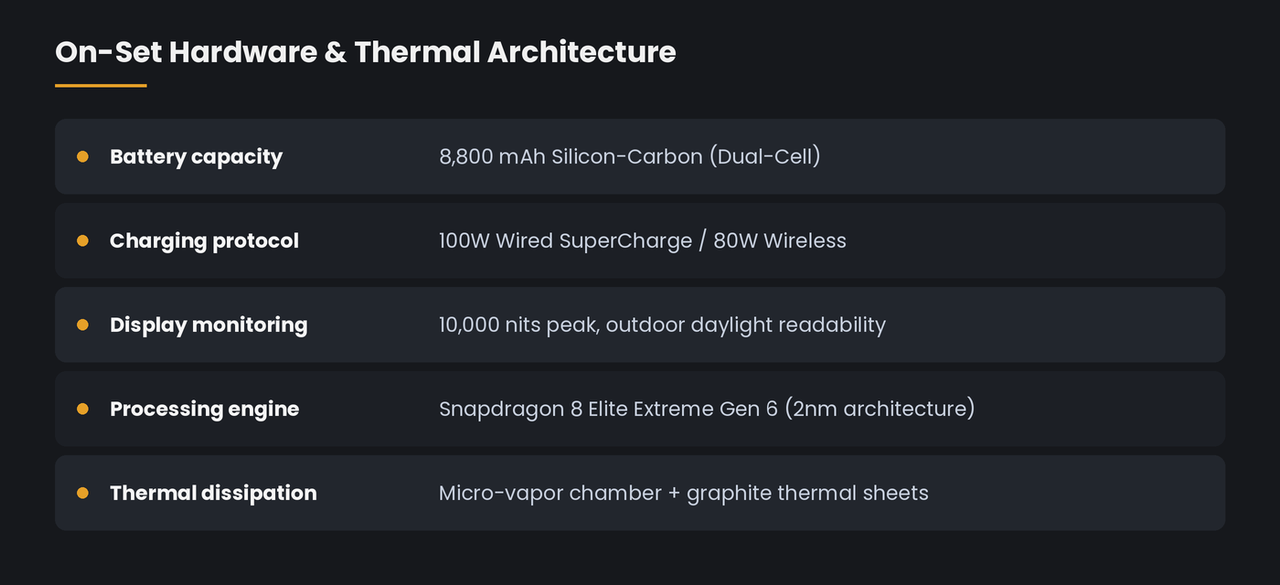
For production workflows, battery capacity directly correlates with daily uptime. During testing, the Magic9 Pro Max sustained continuous 4K LogC3 recording over Wi-Fi 8 wireless video monitoring feeds for over four hours on a single charge. When power runs low, 100W wired charging restores the battery from empty to 100% in roughly twenty-four minutes, keeping production delays to zero. Furthermore, the 10,000-nit peak brightness HDR display functions as a reliable director's monitor even in direct, unshaded sunlight.

The Verdict: A True Pocket B-Rig
If your primary focus is quick point-and-shoot snapshot photography intended for social media feeds, the Honor Magic9 Pro Max is complete engineering overkill.
However, for directors, cinematographers, and visual storytellers who understand log color pipelines, manual optical exposure, and total creative control, this device represents a genuine shift in mobile production capability. By abandoning consumer software gimmicks in favor of authentic ARRI color science, pro-grade sensor architecture, and serious thermal engineering, Honor has built a tool that stops asking filmmakers to compromise. It is not merely a smartphone with an impressive camera block—it is the most production-ready, high-capability pocket B-rig ever engineered.
